
Our Programs
The ACOG Foundation delivers several programs designed to help medical professionals improve the lives of all people seeking ob-gyn care.
The ACOG Foundation is dedicated to improving access to evidence-based reproductive health care and supporting health care professionals in providing care to their patients.
Reproductive Health
Optimizing Care for Pregnancy Loss Program
Our Optimizing Care for Pregnancy Loss Program focuses on the use of mifepristone and misoprostol for medication management of early pregnancy loss and manual vacuum aspiration for procedural management.
We focus on states and institutions where abortion is restricted and where training on abortion care has become more limited.
How It Helps
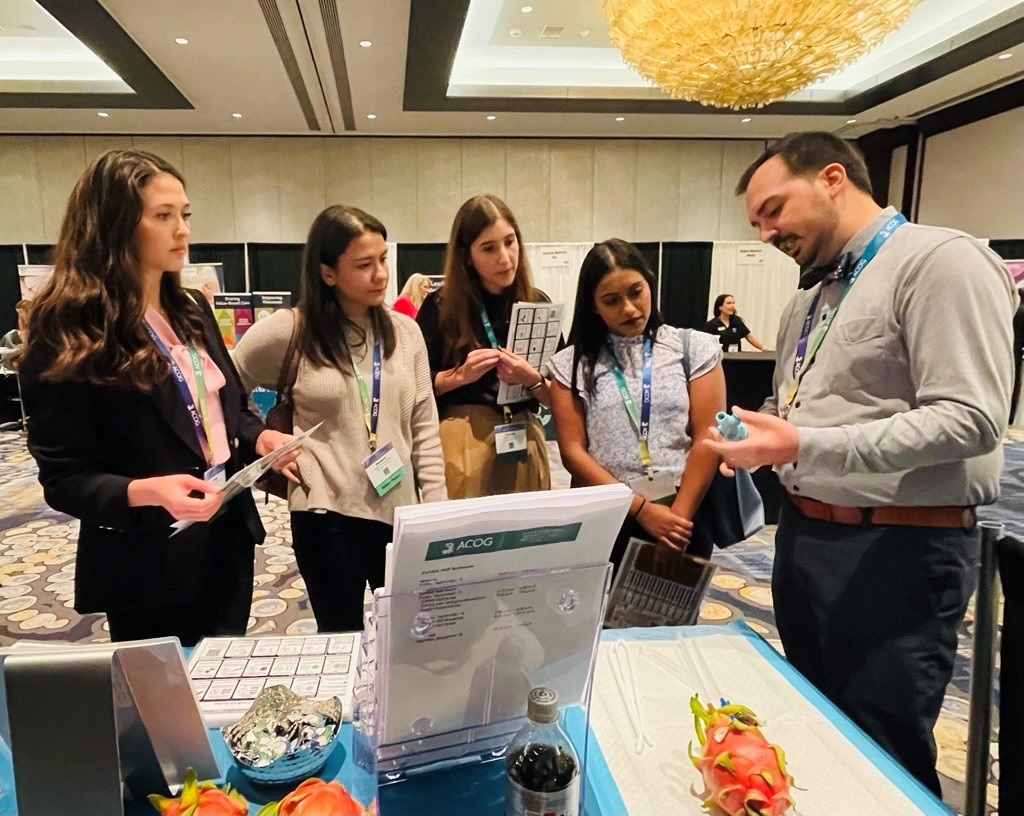
This past year, we trained 311 participants in Mississippi, Louisiana, Oklahoma, Illinois, and three locations in Texas after which we saw notable increases in participants’ confidence in diagnosing early pregnancy loss and engaging in shared decision-making.
Learn more about the Optimizing Care for Pregnancy Loss Program.
Postpartum Contraceptive Access Initiative
Our Postpartum Contraceptive Access Initiative supports the implementation of immediate postpartum long-acting reversible contraception to ensure the full range of postpartum contraceptive methods are available in underserved communities.
How It Helps
Learn more about the Postpartum Contraceptive Access Initiative.
Implementing Progress in Abortion Care and Training (IMPACT) Program
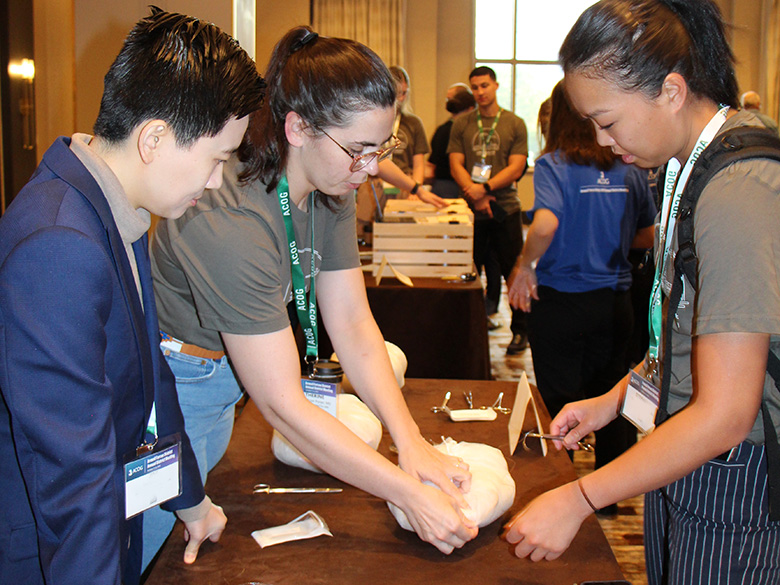
Clinical trainings provided through ACOG’s IMPACT Program focus on the provision of evidence-based medication abortion care and manual vacuum aspiration for abortion early in pregnancy.
How It Helps
This year, our team conducted 11 IMPACT trainings and two implementation calls on abortion, contraception, and miscarriage for 255 participants and saw significant increases in participants’ confidence in performing evaluations before and after medication abortion and manual vacuum aspiration.
Effective Conversations and Media Engagement
Our Building Evidence-Based Skills for Effective Conversations about Abortion workshops help health care professionals develop skills needed for constructive discourse on abortion.
Learn more about building evidence-based skills for effective conversations about abortion.
Quality and Safety
We’re working to improve patient safety and health care quality in obstetrics and gynecology. Quality in Action is a quality improvement and patient safety initiative housed under the ACOG Foundation. Grounded in ACOG’s clinical rigor, safety standards, and evidence-based guidelines, Quality in Action is dedicated to improving the quality and safety of obstetric and gynecologic care across the United States.
How It Helps
Through Quality in Action, the ACOG Foundation partners directly with hospitals, health systems, and clinical teams to provide hands-on support.
Emergencies in Clinical Obstetrics Training
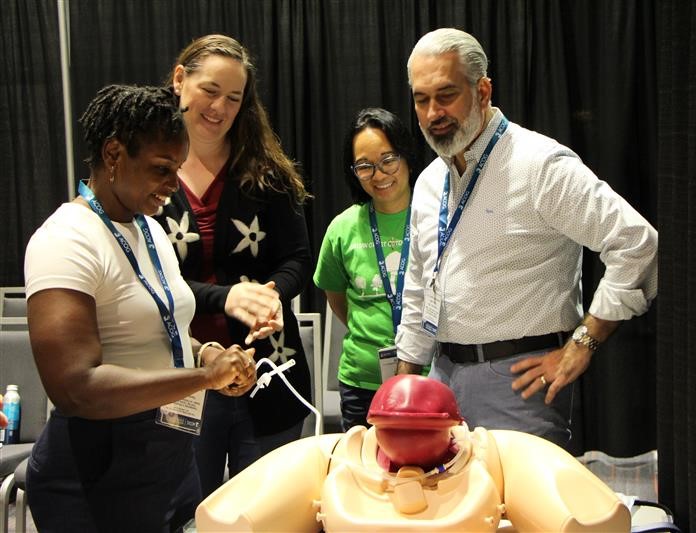
The ACOG Foundation helps fund an in-person Emergencies in Clinical Obstetrics (ECO) training the day before ACOG’s Annual Clinical & Scientific Meeting, featuring a Train the Trainers course and a hands-on practicum. Both sessions focus on how to manage five common obstetric emergencies: vaginal breech delivery, shoulder dystocia, postpartum hemorrhage, umbilical cord prolapse, and hypertensive urgency or eclampsia.
How It Helps
Preventive Care
Women’s Preventive Services Initiative
The Women’s Preventive Services Initiative (WPSI), an ACOG Foundation program, achieved the following key successes in 2024:
- WPSI’s recommendation on Breast Cancer Screening for Women at Average Risk was federally approved. This updated recommendation will affect millions of women, as studies have shown that 10% of women have unclear initial images that need additional follow-up.
- HRSA accepted WPSI’s groundbreaking recommendation for Patient Navigation Services for Breast and Cervical Cancer Screening. This transformative recommendation will guide patients through the clinical pathway, significantly reducing barriers to cancer screening such as language, literacy, disability, and socioeconomic factors.
- WPSI launched a pilot project testing the implementation of two crucial WPSI recommendations: screening for intimate partner violence (IPV) and anxiety. Funded by HRSA, this initiative spans 12 primary care clinics, including urban, rural, and federally qualified health centers.
How It Helps
These initiatives are helping to eliminate significant patient costs that are associated with additional imaging, biopsy, and follow-up, and ensure equitable access to vital cancer screening services for all women. These efforts aim to enhance patient care by integrating essential screenings into diverse health care settings.